
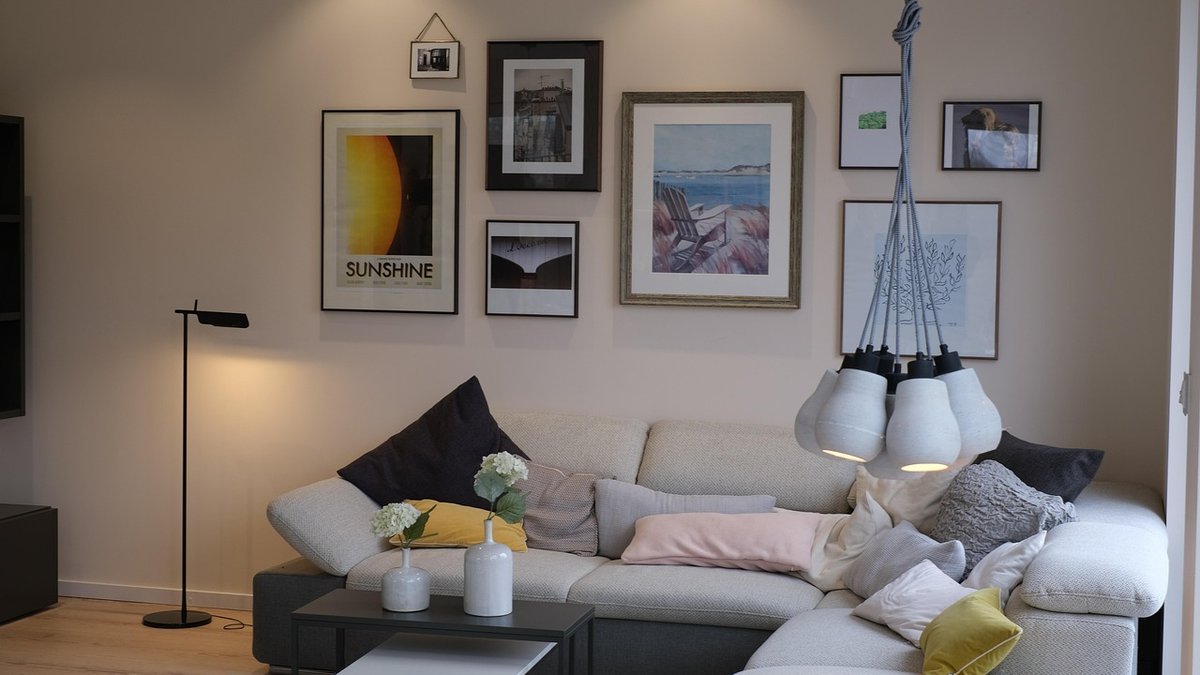
Brass is an alloy of copper and zinc, and it is a reactive metal. Leave a polished lamp base on a sideboard for a year and it will not look the same. That change is not automatically damage. Brass develops a patina — a gradual, mellow darkening that many collectors and interior designers actively want, because it lends a lamp warmth and depth that a bright new base simply cannot imitate. What we usually call tarnish is different in degree rather than in kind: a heavier, duller film, often brown or black, caused largely by sulphur compounds in the air. Left long enough in a damp room, brass can develop green spotting known as verdigris. The aim of good maintenance is not to keep a base looking factory-fresh forever, but to control the ageing process so it stays even and characterful rather than grubby and neglected.
One thing worth knowing before you pick up a cloth: many decorative lamps of the twentieth century are brass-plated rather than solid brass. Plating is thin, and repeated polishing will eventually wear through it, revealing the duller base metal beneath. Solid antique bases can take more work, but even then every polish removes a microscopic layer of metal. Restraint is the single most important skill in brass care.
Dust is the real enemy of a brass base, and it is also the easiest problem to solve. Dry dust holds moisture and airborne sulphur against the metal, and when it is rubbed about it acts as a fine abrasive. A weekly two-minute routine will do more for your lamp than an annual deep clean.
If you dust regularly, you will find you need to polish far less often, which is exactly the balance you want.
When the base genuinely needs more than dusting, choose a mild, non-abrasive brass cleaner and use it in small doses. Work in a well-ventilated room, and put on cotton gloves if you would rather keep your own skin oils off the metal.
There are several things to avoid entirely: steel wool, wire brushes, scouring pads, abrasive creams, bleach, ammonia and dishwasher cycles. All of them scratch, strip or discolour the surface, and the damage cannot be undone. Vinegar and lemon juice are popular folk remedies, but they are acids and will strip lacquer and leave patchy results on plated bases, so keep them for the kitchen.
Before you clean, decide which you have. Hold the base to the light: a lacquered finish looks uniformly glossy and glassy, while bare brass has a slightly softer sheen and tarnishes unevenly.
Lacquered brass is sealed, so it only needs dusting and the occasional wipe with a damp cloth. Do not use brass polish on it, because the polish will eat through the lacquer and leave a blotchy surface. If the coating is flaking badly, you can either have it professionally removed and re-applied, or strip it and enjoy the natural patina underneath.
Unlacquered brass will darken, and that is its charm. Polish it once or twice a year at most if you like a brighter look, or simply dust and let time do its work.
Greasy fingerprints often respond to nothing more than a drop of mild washing-up liquid in warm water, applied with a damp cloth and dried at once. For heavier black tarnish, a small amount of brass polish worked into the worst areas is usually enough; use cotton buds for crevices around the stem and switch housing. Green verdigris should be removed promptly, as it can pit the metal, but treat it gently and in stages rather than scrubbing hard. If a base is heavily tarnished but sound, take heart: patience and several light sessions will always beat one aggressive one.
Handle brass with a cloth or cotton gloves where you can — skin oils are mildly acidic and leave marks that show up within days. Keep lamps away from damp, from coastal salt air and from kitchen fumes, all of which speed tarnishing. On unlacquered bases, a very thin coat of beeswax or microcrystalline wax, buffed clear, will slow the process considerably; reapply every few months. Finally, always switch off and allow the fitting to cool before cleaning, and check the flex and plug for cracks or fraying while you are there. A well-kept brass base, dusted weekly and polished rarely, will reward you with decades of soft, steady glow.

Hi, my name is Anthony kuber. I am artist and fashion designer.
I love to travel and writing blogging.
Your email address will not be published. Required fields are marked *
Software Developer & Writer
Hey, I'm Diva, a developer and writer blending code and creativity. I'm driven by a deep curiosity and a relentless pursuit of excellence. Join me as I craft digital solutions and captivating stories.


